The project at Geschwister-Scholl-Straße/Planckstraße is located in the immediate vicinity of Friedrichstraße, Museum Island, and the Spree River. Its central location, close to the government district, Humboldt University, the Berliner Ensemble, and the Admiralspalast, offers a high quality of life and is one of the most desirable residential areas in the capital.
The three existing buildings were constructed between 1903 and 1922. The building on Geschwister-Scholl-Straße originally served as a Royal Service Residence and Court Building Depot, while the buildings on Planckstraße housed the Royal Confideicommissum and the Royal Theatre's staff residence. Two of the existing buildings are listed as individual monuments, and the third is part of a listed ensemble.
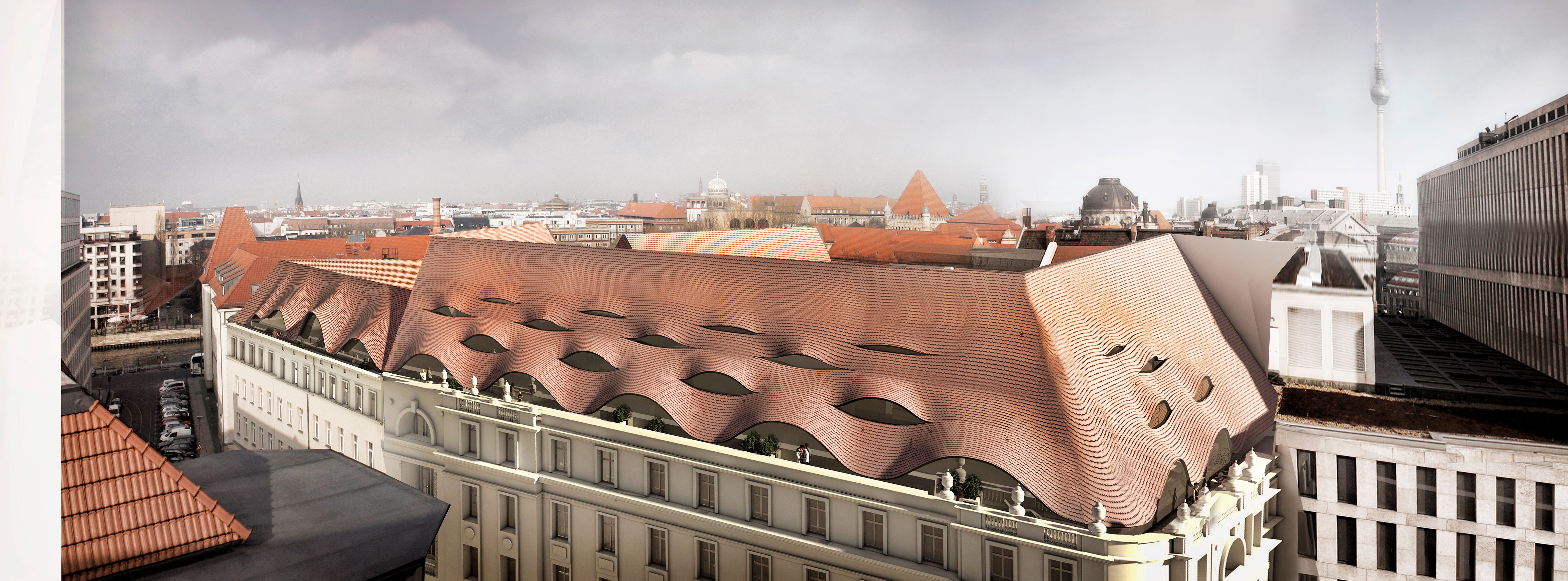
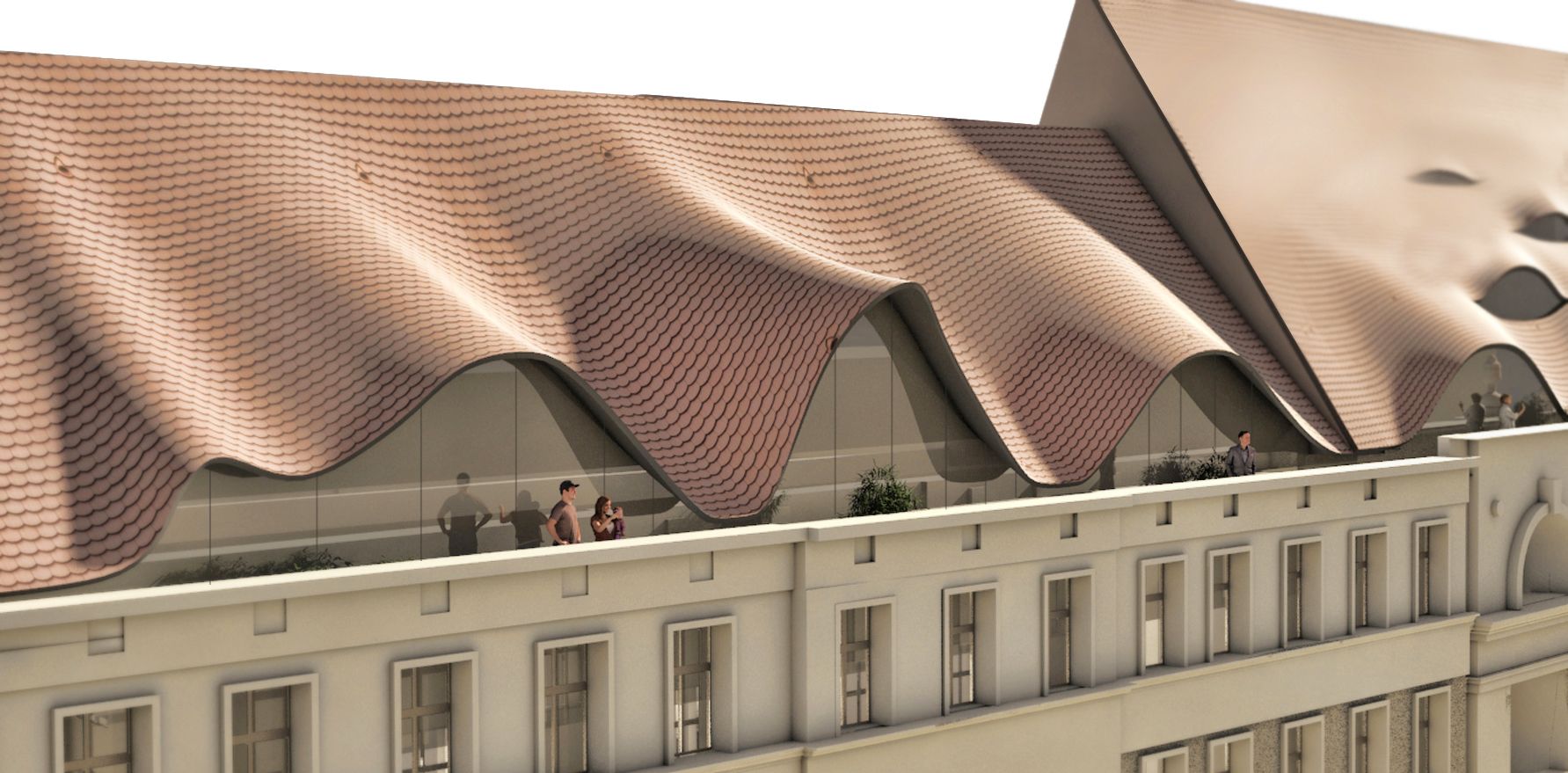
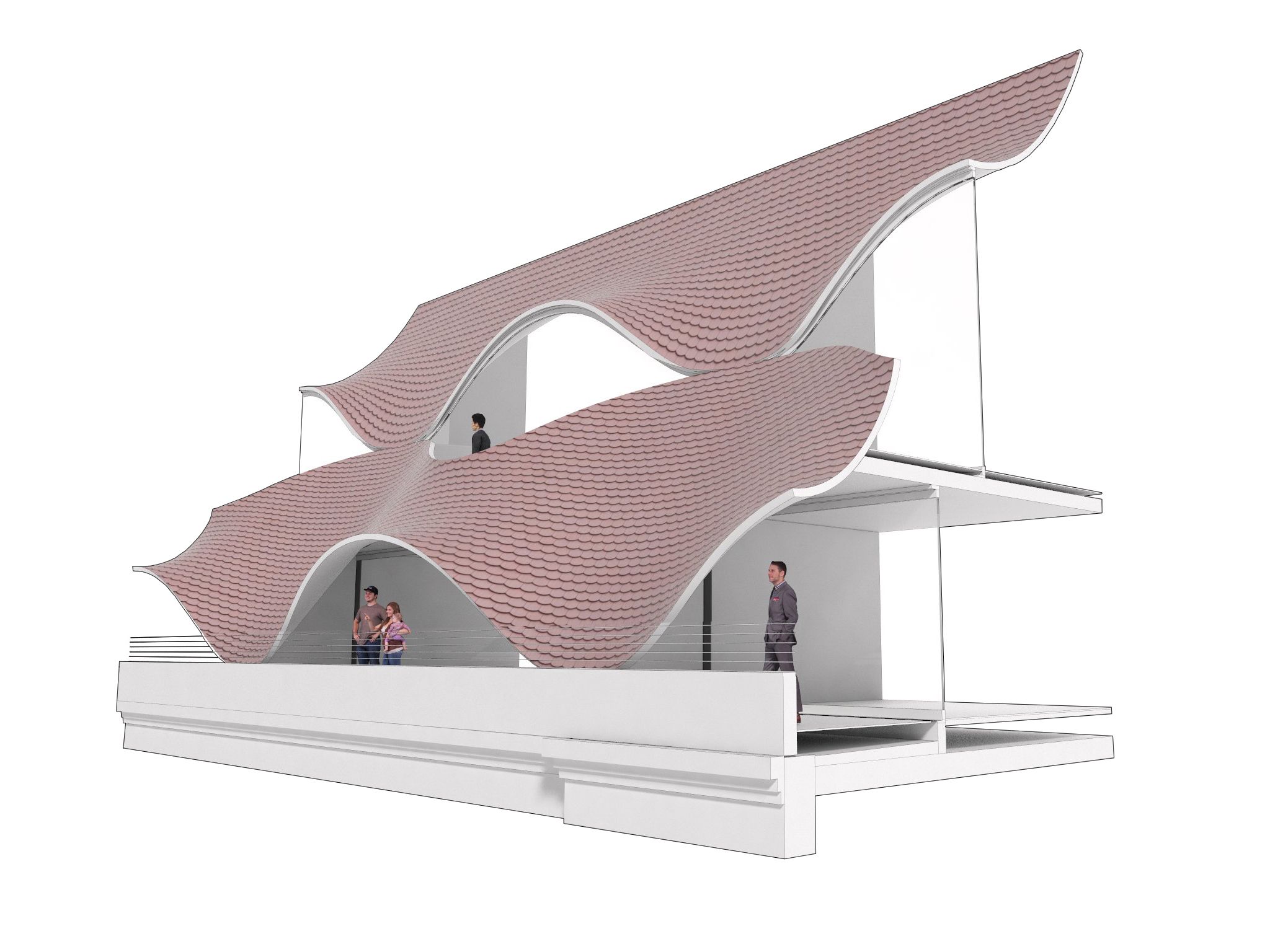
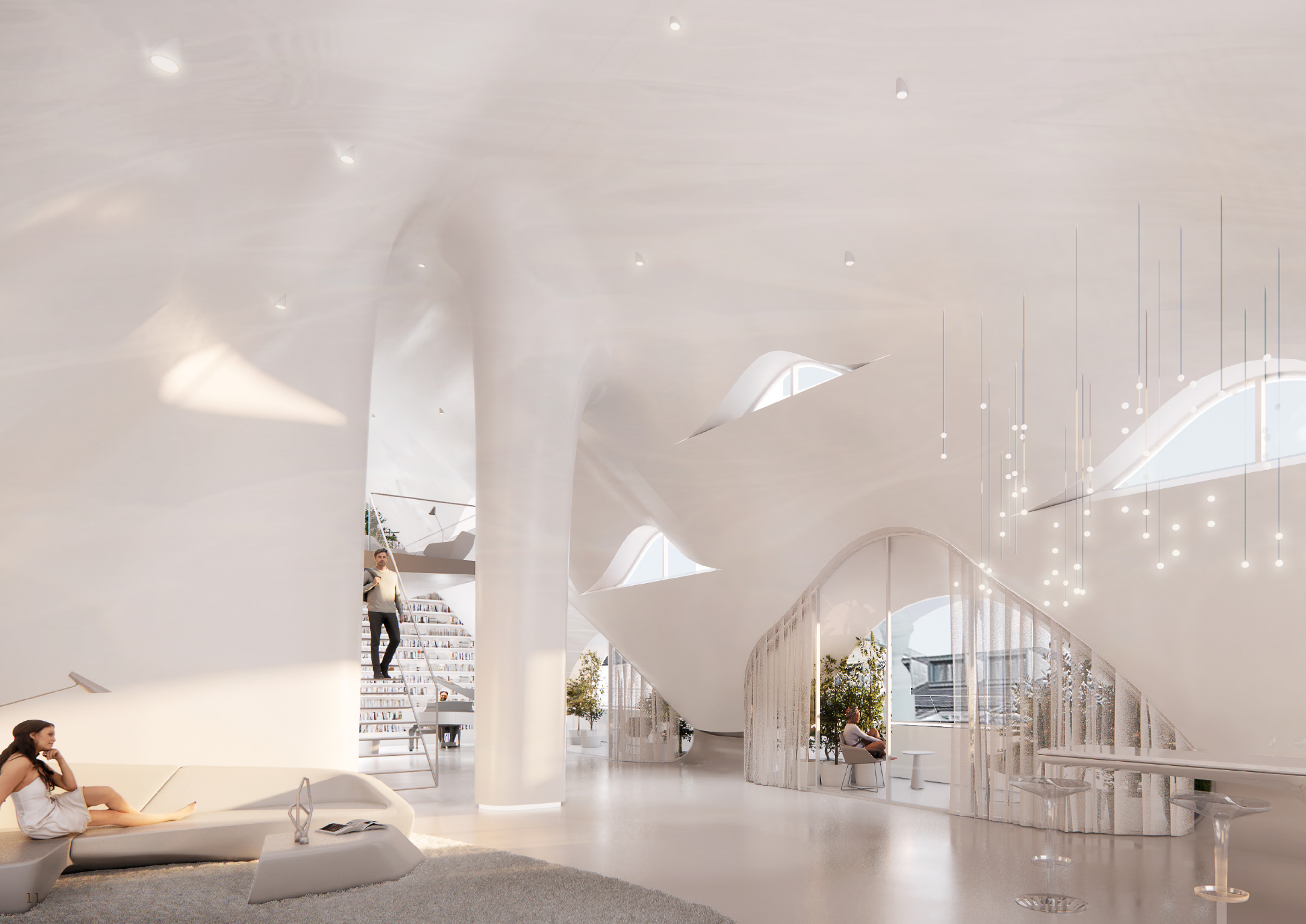
By reinterpreting the roofs lost during the war, Graft gives each of the three buildings its own distinct identity. On Planckstraße, this results in differently scaled dormer windows and expansive glazed roof terraces, inspired by historical dormer forms. A classic beaver-tail tile roof brings the parametric roof forms into the 21st century.
Toward the Spree River, the roof ensemble takes on a free-flowing form, with the roof surface playfully detaching from the eaves and widening upwards.
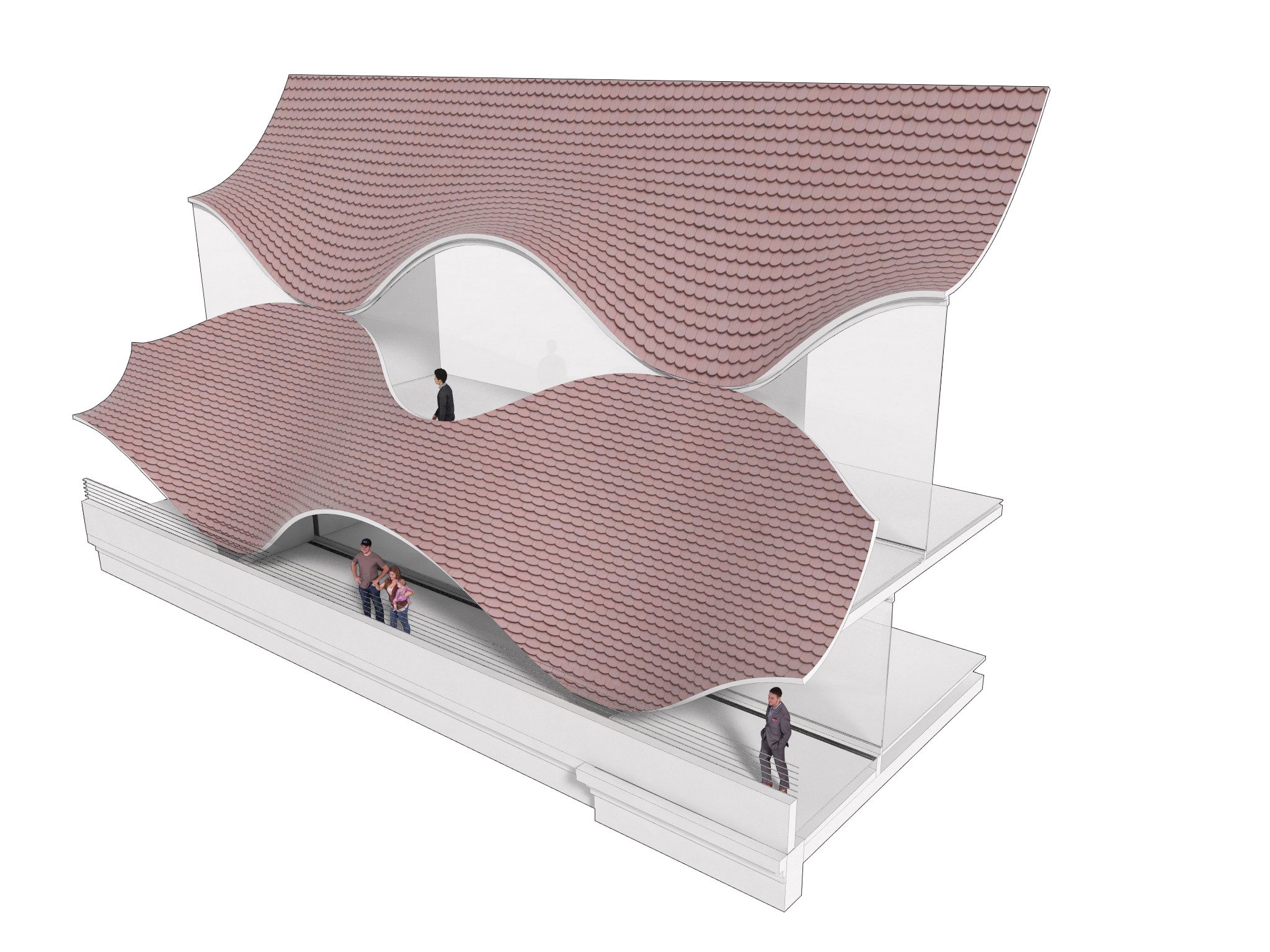
Through the modern restoration of the roofs, the original significance of the listed buildings on Geschwister-Scholl Street and Planck Street is restored within the urban landscape.
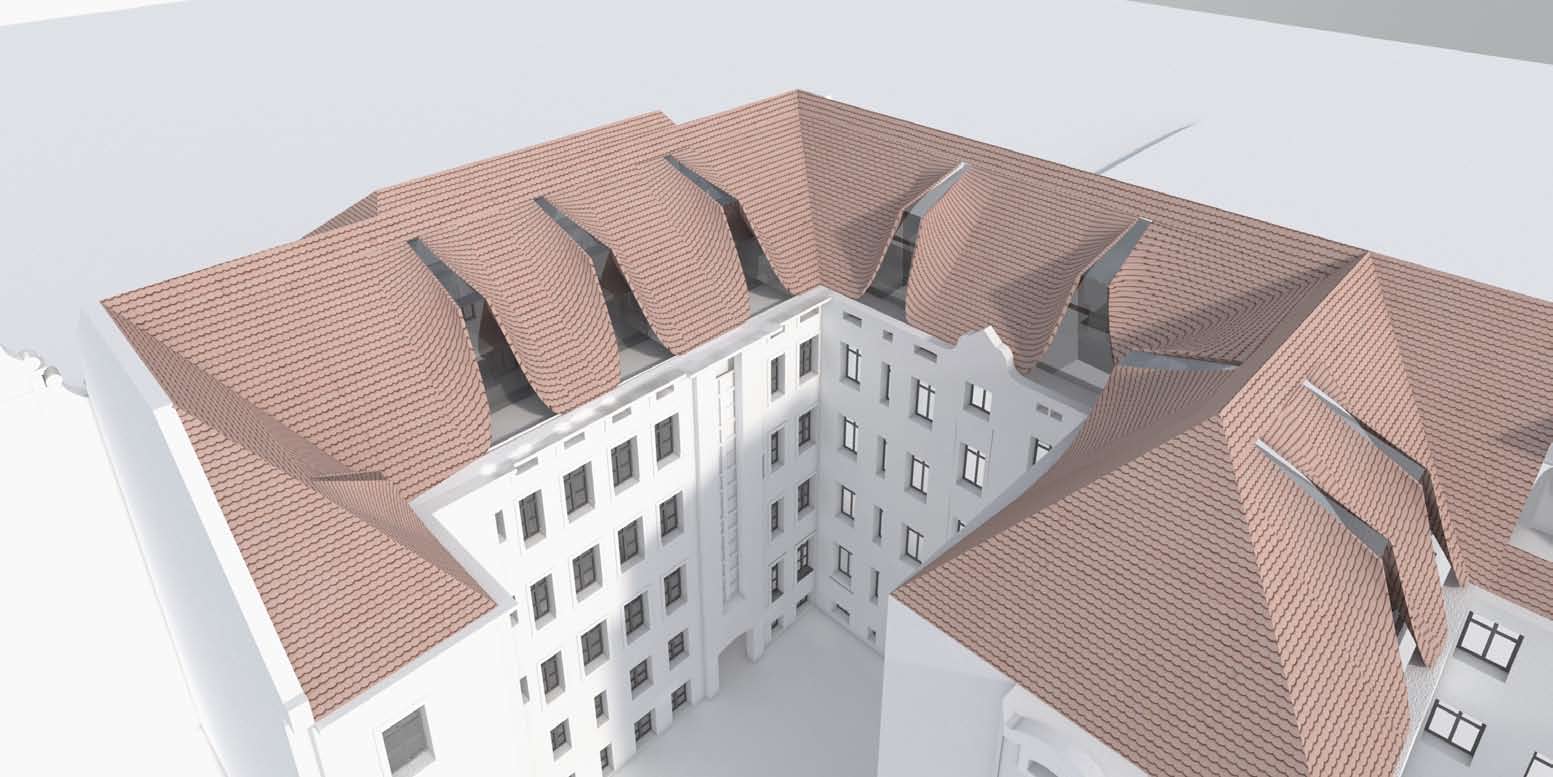
On Geschwister-Scholl Street, a vertically oriented hybrid form combining dormer and skylight is planned, inspired by the neo-Baroque dormers built during the late Historicist period.
Aleksandra Zajko, Andrei-Dan Musetescu, Camila Vieire Preve, Xiufu Chen, Bojan Zdravkovic, Marco Falzoni, Bertrand Malpel, Sebastian Gernhardt, Veronika Partelova, Marion Waid, Mahmoud Elnaggar